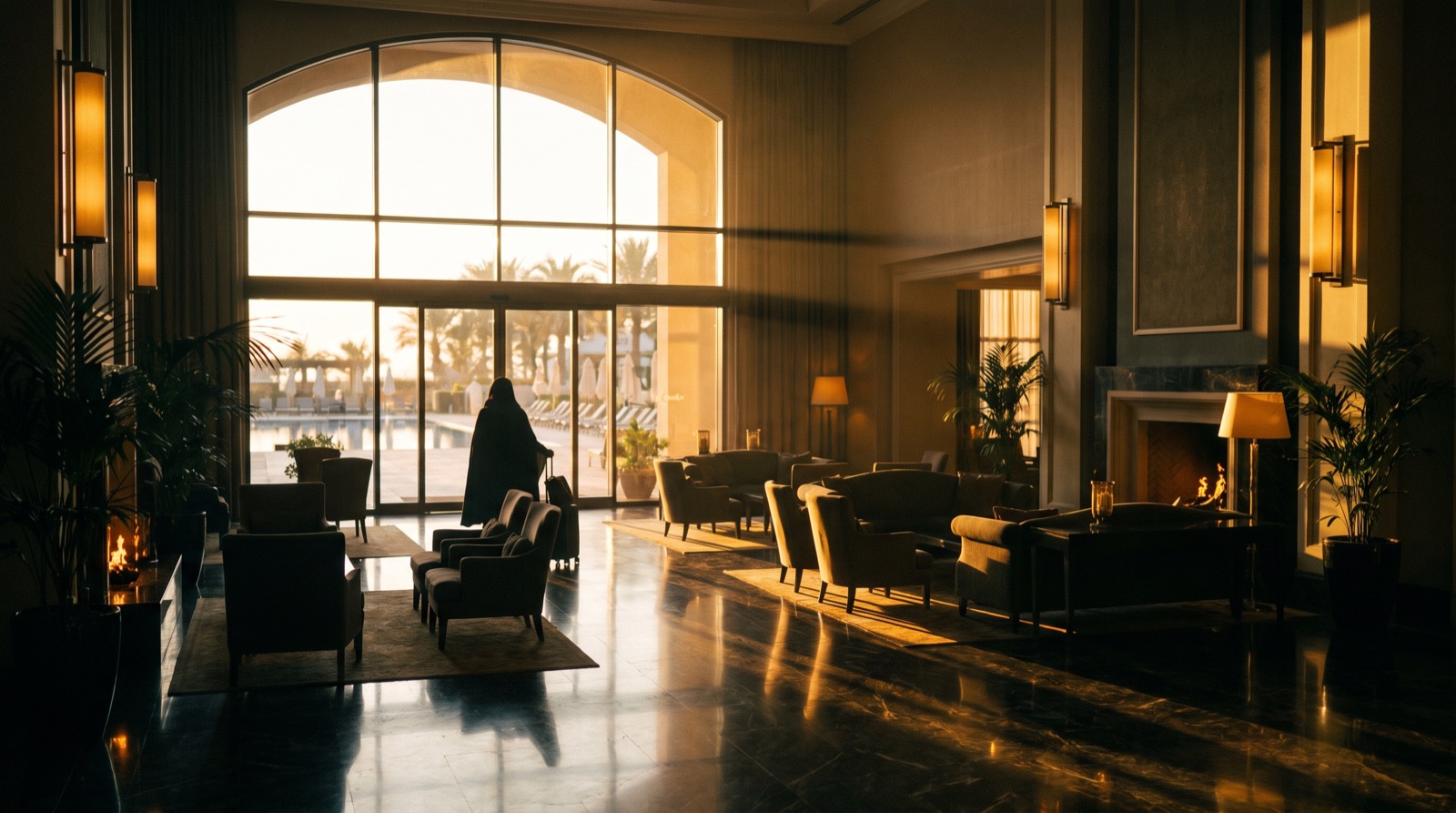
Why Hotels Waste Money on Video Production (And How to Stop)

Where the money actually goes
Most hotels waste money on video production before the camera ever turns on. Not because the footage looks bad. It usually looks fine. They waste it because nobody asked what the video was actually for before booking the shoot.
I've sat across from a lot of hotel marketing directors over the years, and the pattern repeats itself almost every time. A property gets excited, books a crew, shoots for a day, gets one polished 90-second film out of it, posts it once, and never touches the footage again. That's not a video production mistake. That's a strategy mistake wearing a video production costume.
The five ways hotels burn their video budget
1. Shooting for one deliverable
You book a $6,000 shoot day, get a single 60-second hero film, and call it done. Meanwhile that same shoot day, planned right, should have produced a website loop, five to ten social cutdowns, vertical reels, and a testimonial piece. Same crew, same day, same money. The waste isn't in the shoot. It's in walking away with one file when the day could have paid for a year of content. I wrote a full breakdown of how that math works in one shoot, thirty content pieces if you want the specifics.
2. Hiring on price instead of fit
The cheapest bid almost never wins. It just moves the cost somewhere else: reshoots, a video that doesn't match the brand, a crew that doesn't know how to work around guests and staff without disrupting a live property. Hospitality shoots are not the same as a product shoot in a studio. You're working around check-in traffic, restaurant service, and guests who didn't sign up to be in your content. That takes experience, and experience isn't the cheapest line item on the quote.
3. No brief, no shot list, no plan
"Just get some nice shots of the property" is how a lot of hotel budgets disappear. Without a clear brief, a crew fills the day with pretty footage that doesn't map to anything you'll actually use. Gorgeous lobby pans don't sell rooms if you don't have a plan for where they go.
4. Treating video as a one-time event instead of a system
Seasons change. Renovations happen. Menus change. A property that shoots once every two or three years is always marketing with stale content, which either means shooting again from scratch (expensive) or posting content that doesn't match what a guest sees when they arrive (worse). Hotels that treat content like an ongoing system, not a project, spend less per asset over time. I go deeper on picking the right partner for that kind of relationship in how to choose a video production company for your hotel.
5. No idea what things should cost
A lot of hotels either overpay because they don't know what a fair rate looks like, or underpay because they picked the lowest number without asking what's actually included. Both cost you. I broke down real numbers in how much hotel video production actually costs in Los Angeles, and I'd read that before you get your next quote so you know what you're comparing.
How to actually stop wasting the budget
Before you book anything, answer three questions: what is this video for, where will it live, and how many pieces of content should come out of this one shoot day. If you can't answer those, you're not ready to shoot yet, no matter how good the crew is.
In my experience, the hotels that get this right treat every shoot day as a content bank, not a single deliverable. They plan the shot list around five or six different uses before the crew even shows up. That's the difference between a $6,000 day that produces one video nobody remembers, and a $6,000 day that feeds your website, your Instagram, your ads, and your sales deck for the next six months.
Booking.com and most major hospitality platforms have made the same point for years now: listings with video convert better than listings without it. Hospitality Net has covered this trend extensively, and it lines up with what I see on the ground. The properties losing money aren't the ones investing in video. They're the ones investing in it badly.
What a well-planned shoot actually looks like
Here's a piece we produced for Sofitel Beverly Hills, one of our longest-running hospitality clients. Four years in, and the reason that relationship works is exactly what I'm talking about: every shoot ties back to a plan, not a one-off request.
Notice what's missing: no wasted setup, no generic lobby pan with nowhere to go. Every frame earns its place because someone decided what it was for before the camera rolled.
The bottom line
Video isn't where hotels lose money. Guessing is where hotels lose money. Fix the plan before the shoot, hire for fit instead of the lowest number, and squeeze every shoot day for everything it can give you. Do that and the same budget you're already spending starts working a lot harder.
If you want a second opinion on your next shoot before you book it, or you want to see what a full content system looks like for a property like yours, reach out at visioneers.studio/contact or email hello@visioneers.studio.
MORE ARTICLES
Find a selection of Articles you may be interested in based on the this one
Hotel YouTube Channel Strategy: Does Your Property Need One?
The Hotel Content Calendar: How to Plan a Full Year of Video